
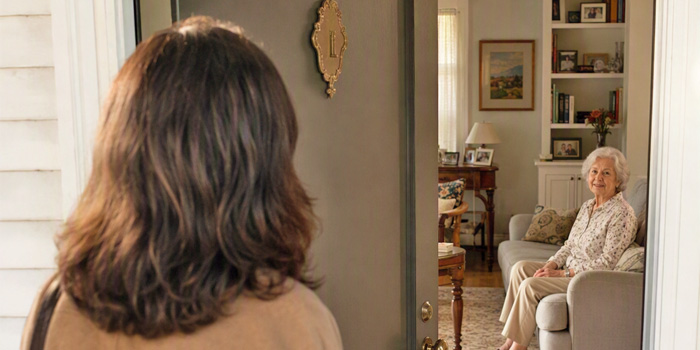
August is National Wellness Month, and we’re marking it with a three‑part series designed to support families caring for seniors. In Part One, we introduce the Monthly Wellness Check‑In — a simple ritual for noticing early changes in daily life. Part Two focused on caregiver wellness and the habits that prevent burnout before it starts. Part Three explores small home‑environment adjustments that make life safer and calmer for everyone. If you’re reading this entry out of order, feel free to revisit the earlier posts to follow the full wellness arc.
August’s National Wellness Month is a reminder that wellness isn’t a grand program — it’s a rhythm. For families caring for aging parents or loved ones, the most powerful wellness tool is something simple, repeatable, and non‑medical: a monthly check‑in ritual.
Think of it as a “10‑minute snapshot” of how your loved one is doing. Not a diagnosis, not a test, just a structured moment to notice what daily life may be quietly telling you.
Why a Monthly Check‑In Works
Small changes often show up long before big ones. Families who pause once a month to observe patterns tend to catch shifts in mood, mobility, appetite, or social engagement early — when they’re easier to address.
It also gives caregivers confidence. Instead of wondering whether something has changed, you have a simple framework to compare month to month.
The Five‑Point Wellness Snapshot
Use these five areas as your guide. You don’t need forms or charts — just awareness.
1. Mood & Engagement: Is conversation flowing? Are they initiating topics? Do they seem more withdrawn or more animated than usual? A subtle change in tone or enthusiasm can be one of the earliest indicators of stress, loneliness, or cognitive fatigue.
2. Mobility & Comfort: Watch how they move around the home. Are they steady? Favoring one side? Slower to rise from a chair? Mobility changes often show up in small ways first — and noticing them early helps prevent falls.
3. Hydration & Appetite: Check the fridge, pantry, and trash. Are foods going untouched? Are beverages disappearing at the usual pace? Hydration and appetite are wellness cornerstones, and small shifts can signal discomfort, medication effects, or mood changes.
4. Sleep & Daily Rhythm: Are mornings groggy? Are naps longer? Are evenings restless? Sleep patterns often reveal more than people say out loud.
5. Social Connection: Look at the calendar. Are visits, calls, or outings happening? Has participation dropped? Social withdrawal is one of the most overlooked wellness changes in seniors.
The Quirky Tests That Make This Easy
These quick “household clues” help families spot changes without feeling clinical.
- The Laundry Test: Are clothes fitting differently or being worn repeatedly?
- The Fridge Test: Are expired items piling up or favorite foods untouched?
- The Calendar Test: Are social plans thinning out?
- The Conversation Test: Are stories shorter, repeated, or harder to follow?
A Ritual That Builds Confidence
A monthly check‑in isn’t about catching problems; it’s about staying connected to the small details that shape daily life. Families who adopt this ritual often feel more grounded, more prepared, and more in tune with their loved one’s needs.
Wellness Month is a perfect time to start. Ten minutes, once a month, can make caregiving feel less reactive and more intentional.