
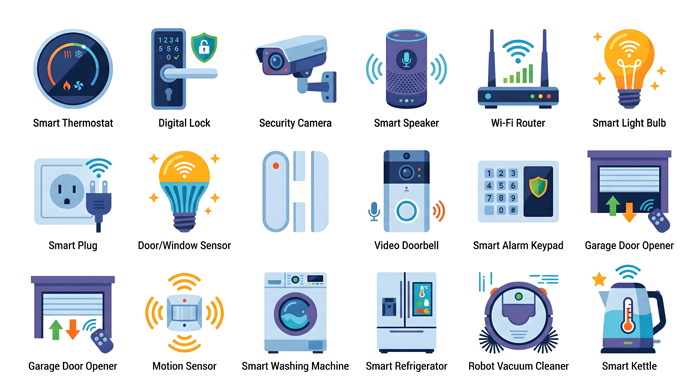
Smart devices promise convenience, safety, and independence. But for many seniors, they deliver the opposite: confusion, anxiety, and cognitive overload. The issue isn’t the technology itself — it’s the hidden mental cost of managing it.
Cognitive Load: The Invisible Burden
Every alert, pop‑up, or “Are you still watching?” message demands a decision. For seniors, especially those with mild cognitive changes, these micro‑decisions add up to real fatigue.
Common overload triggers:
- Password resets
- App updates
- Confusing icons
- Unexpected sounds
- Multi‑step menus
- “Try our new feature!” banners
Each one chips away at confidence.
Notification Fatigue: When Everything Feels Urgent
Seniors often interpret notifications as warnings. A harmless “Storage Almost Full” message can feel like a crisis. Multiply that by dozens of apps, and the result is chronic stress.
Caregivers see the fallout:
- Seniors stop using devices
- They fear “breaking something”
- They avoid communication tools
- They lose trust in technology
This isn’t resistance — it’s self‑protection.
Over‑Automation: When Smart Homes Become Stress Homes
Smart homes can backfire when devices behave unpredictably:
- Lights turn on by themselves
- Thermostats adjust without explanation
- Doorbells announce every passing car
- Speakers respond to words no one said
For a senior, unpredictability equals danger. Even helpful automation can feel like a loss of control.
Safety vs. Simplicity: The Caregiver Dilemma
Caregivers want safety features — fall alerts, medication reminders, smart locks — but each added device increases complexity. The challenge is finding the balance between:
- Enough tech to keep someone safe
- Not so much tech that it overwhelms them
This tension is real, and it’s growing.
The Concept
“Helpful” tech often creates hidden cognitive strain. Seniors aren’t overwhelmed because they’re behind the times — they’re overwhelmed because modern devices demand constant attention. Recognizing this burden is the first step toward designing simpler, calmer, more supportive environments.
Part One offers the solutions. Together, these two pieces give caregivers a full picture: the why and the how of reclaiming control from runaway smart tech.