
January is National Glaucoma Awareness Month
As seniors age, vision changes become more common. Glaucoma, cataracts, and macular degeneration can make it harder to distinguish shadows, steps, or clutter. Poor lighting in the home increases the risk of falls, confusion, and anxiety. For adult children caring for parents at home, adjusting lighting is one of the simplest and most effective ways to improve safety and comfort.
Why Lighting Matters
- Fall prevention: Seniors with reduced vision are more likely to trip over rugs, cords, or uneven flooring. Proper lighting highlights hazards before they become accidents.
- Orientation: Bright, consistent lighting helps seniors with dementia or memory loss feel more secure in familiar spaces.
- Mood and energy: Natural light supports circadian rhythms, improving sleep and reducing agitation. Warm, balanced lighting creates a calming environment.
Practical Steps for Families
You don’t need expensive renovations to make a home safer. Small adjustments can have a big impact:
- Maximize natural light: Open curtains during the day and keep windows clear of heavy drapes.
- Layer lighting: Use a mix of overhead lights, floor lamps, and task lighting to eliminate dark corners.
- Nightlights: Place soft lights in hallways, bathrooms, and bedrooms to guide seniors safely at night.
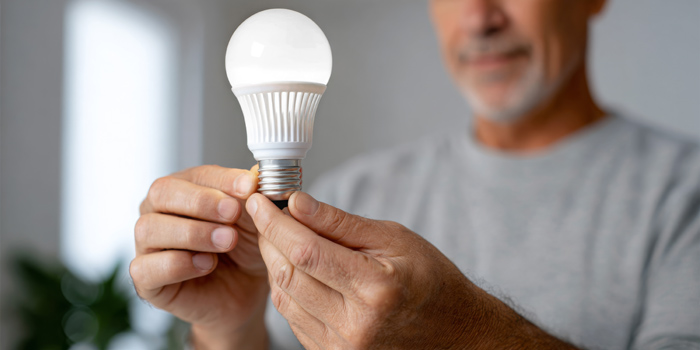
- Bulb choice: Opt for warm LED bulbs that reduce glare but provide consistent brightness.
- Contrast cues: Highlight stairs or thresholds with contrasting colors and adequate lighting to improve depth perception.
Seasonal Considerations
Winter months bring shorter days and longer nights, making lighting even more critical. Families should ensure outdoor walkways are well-lit, especially when seniors venture out for appointments or social visits. Indoors, ensure that holiday decorations don’t block light sources or create shadows that confuse seniors with vision challenges.
Caregiver Collaboration
Professional caregivers may visit during evening hours or early mornings. Clear lighting helps them provide care more effectively and reduces stress for everyone. Families can create a “lighting checklist” to ensure lamps, bulbs, and nightlights are always in working order.
Tying Into Glaucoma Awareness Month
January is Glaucoma Awareness Month, a reminder that vision health deserves attention. Adult children should encourage parents to schedule regular eye exams, since glaucoma often develops without early symptoms. Pairing medical care with thoughtful home lighting creates a comprehensive approach to safety and comfort.
The Bigger Picture
Lighting is part of a broader effort to make homes sensory-friendly for seniors. Just as families adjust noise levels, fragrance, and furniture placement, lighting deserves equal focus. By reducing shadows and brightening pathways, households create environments that respect dignity and independence.
Final Thought
Good lighting is more than a design choice — it’s a caregiving tool. For seniors living at home, it can mean the difference between confidence and confusion, safety and risk. As families plan for the new year, improving lighting is a simple, powerful step toward compassionate care.